







Preface and an Important Note
I am sharing my first-hand knowledge and experience of handling life in test tubes. These experiences were pivotal in shaping my vision of the “Principle and Design and Quantum Dance of particles, atoms, systems, and the entire universe”, which I discuss on my website. These works were guided not by a mentor, but by an inner drive and deep commitment.
My biotechnology research was conducted from 1981 to 1987 in a laboratory at a graduate college that was not officially recognised by the university. The project was funded by the Indian Council of Agricultural Research (ICAR) and was awarded to an influential person who had earned his doctorate from a reputable institution abroad and was working as the college’s principal. The lab only had basic equipment necessary for the work, such as a laminar flow hood, a pH meter, an autoclave, few microscopes and an air-conditioned room with a few racks.
My university teachers cautioned me against taking on such a challenging project, especially in an unrecognised lab. However, the person who had received the project influenced me by talking about Albert Einstein and Gregory Mendel, who, working from a clerical desk and a kitchen garden, respectively, emerged as the fathers of two great fields of science – Physics and Life. He also spoke about how big companies and governmental research organisations were working to make breakthroughs in coconut tissue culture and cloning. I was impressed and took on the challenge.
As an atheist, I embarked on research, driven by my consciousness, hoping to contribute something to humanity as I navigated life. I never knew the ‘Minds ruling Earth’. However, nearly five years later, as I emerged as a self-taught researcher with promising results and job offers from a multinational company, I was drawn into a whirlpool of events. Then I began to stand back and observe the human mind that rules Earth. I found it to be self-centred, money-driven, and power-hungry. It seemed to exist in a state of slavery, controlled by narratives. The mind ruling Earth, across various realms—religious, political, and so forth—seemed to be deteriorated and disconnected from the consciousness. They take oaths to serve God and People but end up living hypocritical lives, advancing their self-interests, institutional interests, party interests, and so forth. They live hypocritical lives, aligned with the material world and its forces.
This led me to quit my research career entirely to go in search of the Truth of Life, Nature, and the Foundational Forces that underpin the natural world and the cosmos. I will write about the circumstances that led me to this decision later.
What is Biotechnology? An Introduction
Biotechnology is a vibrant and interdisciplinary field that harnesses biological systems, living organisms, or their components to create innovative products and processes for a vast array of applications. At its core, it uses nature’s intricate mechanisms—the very foundations of life—to address urgent global challenges. This pioneering approach combines biological knowledge with new techniques to find solutions in diverse sectors, including medicine, agriculture, environmental remediation, and industrial production. For instance, in agriculture, biotechnology has transformed crop development by engineering plants with enhanced resilience to pests, diseases, and adverse environmental conditions, thereby significantly increasing productivity and food security.
Fundamentally, biotechnology operates on the principle of manipulating the genetic material within living systems. It acknowledges that genes, typically found in pairs, function as predictable and accessible units of heredity that dictate specific traits. Remarkable advancements in gene-editing technologies, such as CRISPR, have empowered scientists to meticulously identify genes responsible for desired characteristics, extract them, replicate them in substantial quantities, and reintroduce them into target cells. This capability facilitates the precise genetic modification of organisms, unveiling previously unimaginable possibilities. Beyond gene manipulation, sophisticated cell culture techniques are extensively employed to cultivate organ tissues for medical transplants and various cellular products, including enzymes, therapeutic proteins, and even cultured meat, each with diverse industrial and medical applications.
In summary, biotechnology encompasses gene manipulation, cell and tissue culture to generate a myriad of byproducts, as well as the induction of enzyme and valuable protein production, and the generation of entire organisms from vegetative cells. This process circumvents sexual reproduction, which typically introduces genetic variation and trait diversity in organisms.
However, upon deeper reflection, there are certain drawbacks to this field. In the grand tapestry of nature, living species are in a perpetual state of adaptation and evolution, continuously exchanging genetic information and developing novel survival strategies in response to local environmental pressures and temporal changes. Much of biotechnology is propelled by human ambition for technological supremacy and economic incentives. This drive can sometimes eclipse the fundamental well-being and long-term sustainability of species and ecosystems. This imbalance necessitates rigorous ethical scrutiny and a steadfast commitment to responsible innovation. It raises profound questions about the potential unintended consequences of genetic manipulation, including impacts on biodiversity, the emergence of “superweeds” or resistant pests, and the broader ecological stability of our planet. As we continue to push the boundaries of what is conceivable, ensuring that our advancements align with principles of stewardship, equity, and long-term ecological health becomes paramount. The future of biotechnology depends not only on scientific ingenuity but also on our collective wisdom to navigate its ethical complexities responsibly.
The Type of Work I Was Involved In
My biotechnology work involved creating plants in test tubes from the vegetative cells and tissues [Cloning] of many commercially significant species, including coconut, cashew, and various hardwood trees. Plant cells are ‘Totipotent’. It means all cells carry complete information, which means it carry the potential to create the whole plant and therefore is amenable to cloning. This is not so with animals. The reason for it is not fully understood. The cloning of a sheep, named “Dolly’, involved the isolation of the nucleus of a vegetative cell and inoculating it into egg cell whose nucleus was removed and transplanting it into a womb.
Why I Am Sharing This Work Now
A researcher begins their journey shaped by their educational background, prevailing thoughts, and established frameworks. A true researcher emerges when they start to observe profoundly, transcending conventional boundaries and asking questions that delve into uncharted territory.
We must note that at the foundation of all great scientific development, there is a role for life and Nature. An apple falling on Newton’s head led him to enlightenment and his great works. Einstein, observing an eight-legged spider moving on a globe, visualised in his imagination how it would feel if he scaled the globe to cosmic proportions. This led him to visualise curved motion and incorporate objections to Newton’s worldview that emerged from studies of light, heat, and thermodynamics. When Einstein encountered a dead end in his worldview with the concepts of black holes and singularities, he urged humanity to look deep into Nature and seek ‘God Mind’ to uncover truth and a more complete understanding of the Cosmos, of which we are a part.
When I left my lab-bound research and ventured into the realms of nature and society, I began to see new visions. I have travelled a significant distance; however, it is the observations made within the laboratory that have profoundly shaped my perspective. Moreover, I used a government research scholarship during this period, which morally compels me to disseminate the outcomes of my work. I recognise that all information, whether positive or negative, has intrinsic value. Furthermore, the insights and knowledge bestowed by nature are meant to be shared, enabling the new generation to explore and build upon these observations. I wish that this knowledge would not die with me.
Additionally, once I exited the laboratory in a fervent state of defiance, the prospect of disseminating my research seemed insurmountable. However, the landscape has since transformed. We now find ourselves in an Information Age where artificial intelligence meticulously sifts through vast troves of data across the internet, making it readily accessible to intellectually curious explorers. Even the highly acknowledged minds in the temples of physics and biology today come to the fold of Artificial Intelligence, seeking the answers to fundamental questions. In creating a website, seeking help from AI to correct spelling, grammar and sentence structure, I am adding content to AI, with hopes that it would bring it to the world at some point
My Works in Biotechnology
1. Coconut Tissue Culture and Cloning
This was my principal endeavour. The coconut palm is extensively cultivated and serves as a vital oil crop. It is referred to as “Kalpa Vruksha” due to its myriad utilitarian applications. This research continues to be pursued by numerous multinational private companies, as well as national and international organisations.
Currently, there is no method for vegetative reproduction of this species, necessitating propagation via seeds, which exhibit considerable variability. In nature, we find “Super Clones” or coconut plants that yield abundantly and possess numerous desirable characteristics. However, progeny from the seeds of such high-yielding plants may not retain this exceptional productivity or maintain the desired traits, as sexual reproduction involves the amalgamation of genetic material, resulting in trait variation. Laboratory cloning using vegetative tissues circumvents the genetic mixing inherent in sexual reproduction, thereby facilitating consistent and enhanced production. Furthermore, advancements in genetic engineering enable the development of “Engineered Super Clones” with selected traits.
2. Cashew Tissue Culture
The cashew is another significant cash crop, recognised as a species particularly resistant to tissue culture techniques. My interest in cashew tissue culture was accidental, stemming from an observation of germinating cashew seeds in the field. This sparked a series of questions and prompted me to intervene physically in the growth of the seeds. This was done back home in my village. The surprising result eventually led me to transition my investigations into the laboratory to produce multiple plants from one.
3. Tree Tissue Culture – Lagerstroemia Indica
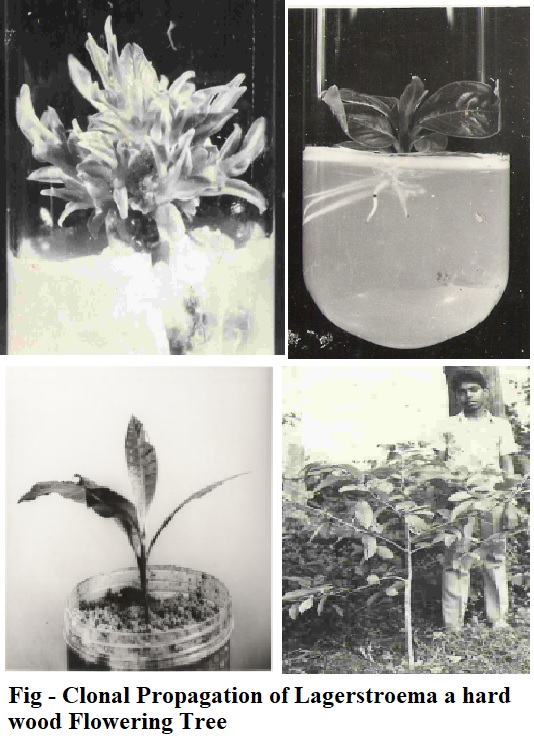
This work is a published paper. Here I could successfully culture leaf axially buds to produce multiple shoots, isolate and root them and establish them in the soil. The work was done with mature trees and is complete on its own.
In addition to this, I did some work with oil palm and date palm. I also had exposure to cardamom tissue culture while working for a multinational company. At one point, I even initiated an Endosperm Culture of Coconut, with the idea of creating an industry that could convert sugar into vegetable oil.
Chapter : 1
My Work on Lagerstroemia Indica – A Woody Tree
Commonly known as Crepe Myrtle, this deciduous shrub or small tree is cultivated for its ornamental qualities and is frequently used in landscaping. Various parts of the plant are utilised in traditional medicinal practices to treat ailments such as diarrhoea, dysentery, fever, and coughs, as it is recognised for its antimicrobial and anti-inflammatory properties.
I undertook this research as a precautionary measure because coconut cloning proved to be exceedingly difficult, yielding minimal results despite my relentless efforts over nearly two and a half years. A fully mature, flowering Lagerstroemia Indica plant existed on campus, and I decided to experiment on it. I began by collecting axillary buds and tender leaves for culture. This endeavour enabled me to successfully produce multiple shoots from the axillary buds and induce callus formation.
I managed to establish plants in soil, thereby advancing clonal technology for this species. This work culminated in a published paper titled “In vitro clonal propagation of Lagerstroemia flos-reginae Retz” in Plant Cell, Tissue and Organ Culture 6(1): 41-45, 1986.
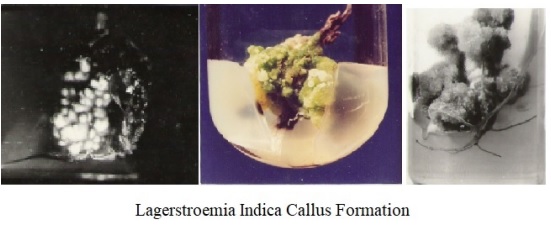
Callus Culture Lagerstroemia
The callus culture produced two types of callus. One was a white, puffy callus that produced roots (see figure), and the other was a globular callus with green tinges, suggesting the possibility of embryoid formation. This work was discontinued to allow me to focus on coconut and cashew.
Chapter – 2
My Work on Coconut Tissue Culture and Cloning
This was extensive work done around the clock, with great enthusiasm.
The work on the coconut involved two parts
Growing embryos isolated from coconut seed and in test tubes and transferring them to soil.
The objective was to gain knowledge about growing plants in a test tube, such that the information obtained can be useful when Embryoids – [Embryos from vegetative tissue] are obtained in test tubes. Further, a standard technique of growing embryos in tissue culture can help in the preservation of Germplasm
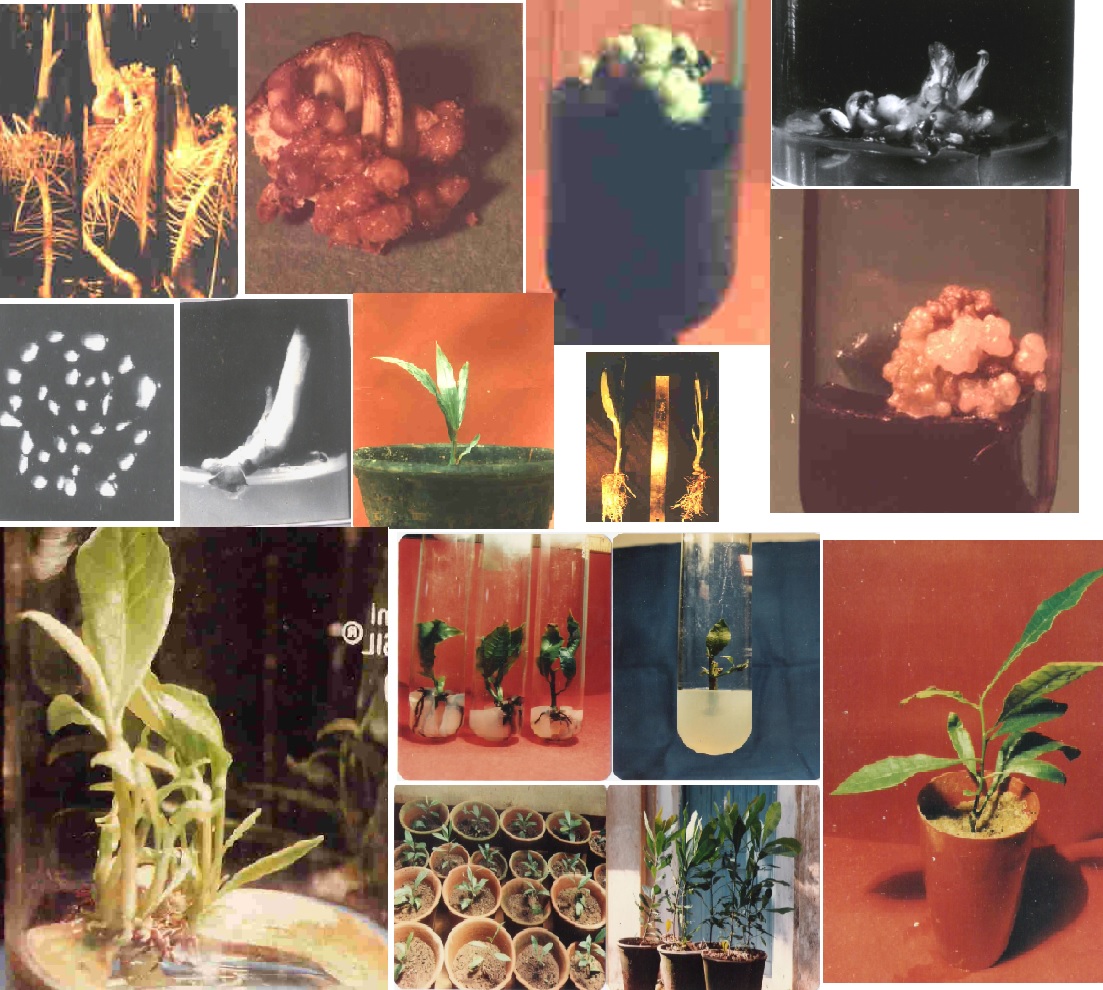
This work was already in progress with much success when I joined the lab. The embryos aseptically isolated from mature coconuts from the market were used. It grew well in Y3 Eeuwens’ liquid media. The percentage of response was also good. See the Picture. I continued to study the influence of various hormones, changes in various major and minor elements in the media as a means to collect first-hand information as to how it reacts.
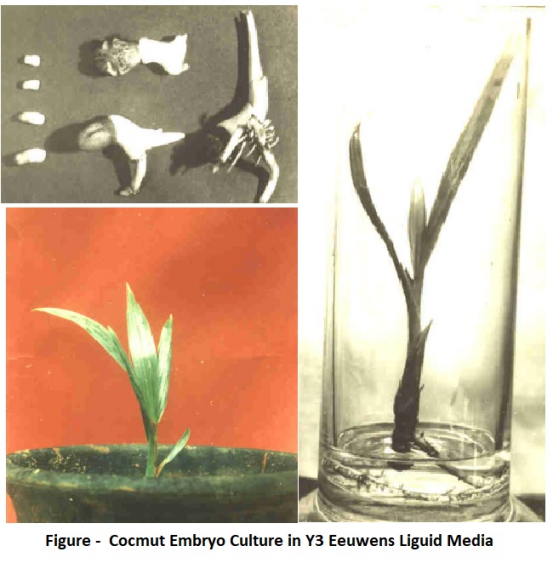
Influence of Hormones on Coconut Embryos In-Vitro
We encountered many problems successfully transferring them to soil because of infections to the cotyledon. We approached this problem by cutting off the cotyledon and waxing the cut surface.
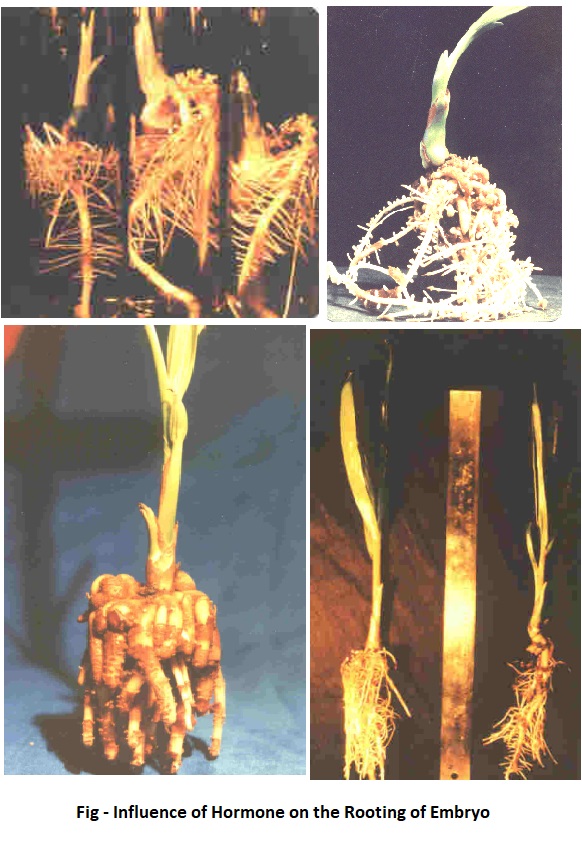
Alternatively, an attempt was made to induce a greater number of roots, including in the cotyledon, to circumvent these problems (see Figure). However, this was not my major work. Furthermore, during this period, the lab did not have a glasshouse facility to achieve a higher rate of successful transfers. Nevertheless, I am convinced that it can be done.
Coconut Leaf Tissue Culture and Somatic Embryo Production – My Experience
This work turned out to be challenging. It transformed me into a researcher who introspects, looks deeply, and thinks beyond conventional boundaries. For nearly two and a half years, despite working day and night and conducting thousands of experiments under the guidance of my mentor, I failed to produce any encouraging results. This led me to contemplate leaving the work. I then took a 10-day break before making a final decision.
During those 10 days, I roamed the campus of a world-famous institute where my friend worked, mingled with other researchers, and read some books on the history of science and philosophy. I began to introspect deeply, asking myself where and why I was failing. The outcome was the realisation that I needed to “think outside the box.”
Key Philosophical Thoughts
From this short break and period of introspection, I learned two key philosophical thoughts:
1] When you depend on someone else’s mind, you get trapped in the vortex of that mind and can never see or explore anything for yourself.
2] If you become obsessed with any work, you create a vortex that will trap you. One needs to step out of this vortex and look at the work in an unattached manner, going around it.
This led me to review my entire approach. I began looking at every species as a unique system, intimately connected to nature and constantly evolving its information to survive. This dramatically changed the way I questioned, looked at life, and designed my experiments.
In the next few months, things started to change, and I began to see remarkable results.
The Old Method of Laying Experiments and the New Methodology I Adopted
Normally, tissue culture work involves conducting reference research and choosing a medium that is suitable for the species. The initial step is to refer to others who have worked with similar species.
Tissue Culture Medium
The medium used in tissue culture contains many macronutrients and elements. It supplies basic nitrogen in both organic forms (like amino acids) and inorganic forms (in nitrate or ammonia). It also includes phosphorus (as sodium hydrogen phosphates or potassium hydrogen phosphates), potassium (as KNO3 or KCl), magnesium (as MgSO4), calcium (as calcium nitrate or calcium chloride), sulfur (as magnesium sulfate), and iron (as a chelating agent like Na2FeEDTA). The medium also requires vitamins (Thiamine, Pyridoxine, Nicotinic Acid, B-complex), micronutrients (like boron, zinc, manganese, molybdenum, copper, cobalt in small amounts), and hexitols (mannitol, sorbitol). A form of carbohydrate or sugar, such as sucrose, must also be supplied. A specific pH for the medium must then be set, and agar is used as a solidifying agent, with or without charcoal. Researchers have also used fruit juice, coconut water, and other natural additives in the medium.
The critical tools used in tissue culture for the de-differentiation and differentiation of tissues to form plants are hormones—specifically, auxins and cytokinins and their ratio. There are many types of auxins and cytokinins.
Auxins are of Two Types
Natural Auxins: Indole-3-acetic acid (IAA), Indole-3-butyric acid (IBA), 4-chloro-indoleacetic acid, Phenylacetic acid.
Synthetic Auxins: Naphthalene acetic acid (NAA), 2,4-dichlorophenoxyacetic acid (2,4-D), 2,4,5-trichlorophenoxyacetic acid (2,4,5-T)
Cytokinins are also of two types
Naturally Occurring Cytokinins: Zeatin.
Synthetic Cytokinins: Kinetin, BAP (6-Benzylaminopurine).
The specific hormones, their concentration, and their ratio are critical for generating plants from tissues and cells in a culture.
The medium, along with the chosen hormone concentration, is poured into test tubes or bottles and must be autoclaved to kill any fungi and bacteria that could grow in the medium. The plant tissues must also be chemically treated to kill all possible fungi and bacteria before being inoculated in a laminar flow hood, which filters spores from the air during the inoculation process.
The test tubes inoculated with tissues are kept in a room with controlled temperature and humidity, either under artificial light or in darkness.
I write this to illustrate the number of variables involved in tissue culture. Hitting upon the right medium, the right hormone, and the right environment to produce a result is like searching for a steel pinhead lost on a seashore.
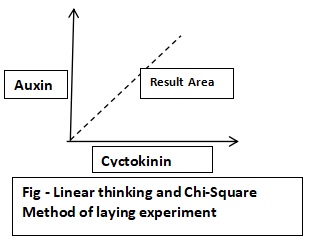
The method most scientists use is the Chi-square method. They first choose an established medium and then work by varying the hormones used (see figure). The hormones are used in small quantities, typically less than 5 mg/L, and rarely higher. In addition to these, there are other hormones like gibberellins, abscisic acid, and so on.
Materials and Methods I Used
I chose Y3 Eeuwens medium as the basal medium, as it was known to be suitable for palm species.
I chose to work with young leaf tissues obtained from one- to two-year-old plants. I avoided the apical meristem zone and took a 6 cm section of leaf from above it. This was to ensure a long-term objective of working with selected mature clones without sacrificing the entire plant.
The leaf sections were cut into one-centimetre pieces and inoculated into tubes containing the medium.
I spent nearly two years working day and night on the Chi-Square table method, running the various hormone combinations that my superior asked me to do. When nothing happened, I began to change the combinations of major elements, sugars, and so on, but nothing worthwhile was working. Naturally, I became concerned.
Working day and night was breaking my nerves. The project was nearing its end, and I recalled the advice my university teachers gave me against pursuing such a difficult topic from an unrecognised laboratory.
That is when I took a break to introspect and assess whether I should continue or stop and switch to another research field. Following a 10-day vacation, filled with introspection, reading about the history of science and its struggles, and poring over great philosophical books on the campus of a reputed scientific institute where my friend worked, I suddenly realized my approach and search method were wrong.
Albert Einstein once said, “Look deep into nature, and then you will understand everything better.” The philosopher Jiddu Krishnamurti advised, “Stand aside and observe what you do from time to time.” Jiddu even went so far as to say that prayer should be introspection, not simply reciting mantras or words taught by others. These words made me look deep into plants in nature and analyse the work I was doing.
I realised that nature performs the process of de-differentiation periodically. I began to look at the problem from different angles and started collecting relevant information by visiting the libraries of the Central Plantation Crops Research Institute (CPCRI) and the university. Eventually, I designed my way of laying out the experiments.
The New Methodology I Adopted to Lay Experiment
Reading through the history of Western science, I realised that the biological vision of life presented by biologists had a direct relationship with developments in physics and its worldview. I understood that the foundational thinking and worldviews of physics had evolved and fractured. It had progressed from the linear and predictable Mechanical World View of Newton to the curved, cyclical vision of Einstein, and then to the unpredictable World View of Werner Heisenberg.
After deep introspection, I changed the way I approached the problem and designed my experiments. The figure below expresses this. This way of thinking became central to my thoughts when I began to introspect deeply into the secrets of life, nature, and the cosmos. Readers will see this when they explore the key article on my site about the “Quantum Dance – Principle and Design of Particle, Matter, and Nature.”
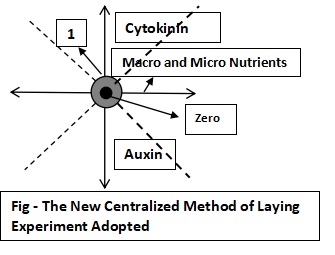
I kept the goal and objective at the centre of my work. I began to lay out eight sets of experiments using a wide range of auxin and cytokinin concentrations, from 1 to 100 mg/liter, both alone and in various ratios. This was done to get a feel for the tissue’s response, to rule out ineffective combinations, and to fix the successful ones. This was me breaking barriers. It’s important to note that this experiment was conducted during a period when hardly anyone used hormone concentrations above 5 mg/litre. I won’t go into the thinking behind casting such a wide net.
The design of the experiment also involved my “gut feeling” and the use of my senses. For example, I tasted the coconut water and even ate pieces of the tissue. Coconut water is the initial medium from which the coconut embryo gets its nutrients. The sweetness of the water led me to increase the sugar content to 60 g/liter.
Surprisingly, the explants survived with over 50 mg/litre of NAA (auxin) and 60 grams of sugar. At around 90 mg/litre, the explants began to produce globular structures at the cut end. I was excited; I was finally seeing some results after two and a half years of research. However, this only resulted in roots (see Figure).
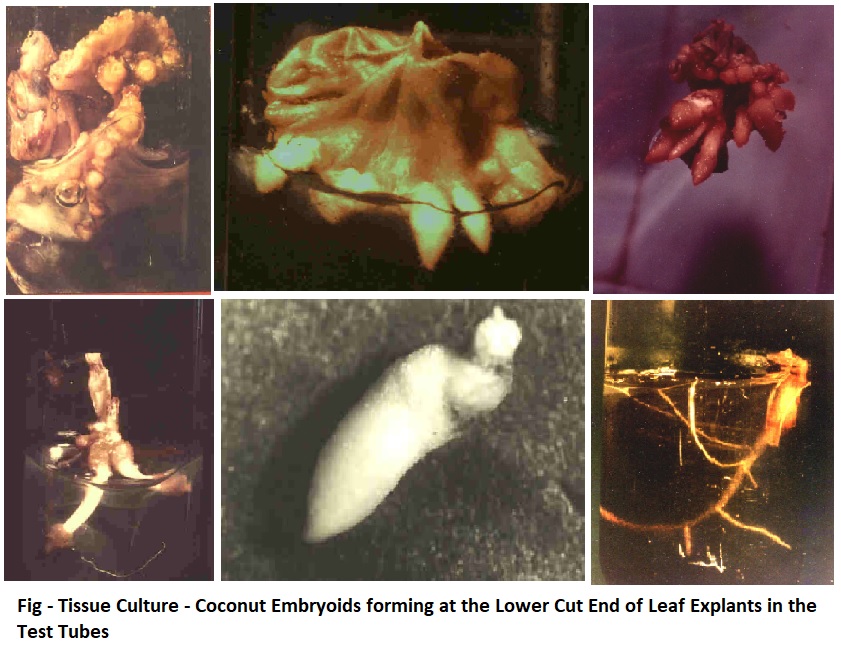
All my efforts to subculture them and induce shoots by introducing higher concentrations of various natural and artificial cytokinins were unsuccessful. This led me to study the histological aspects of the origin and growth of these embryoids (see Figure below).

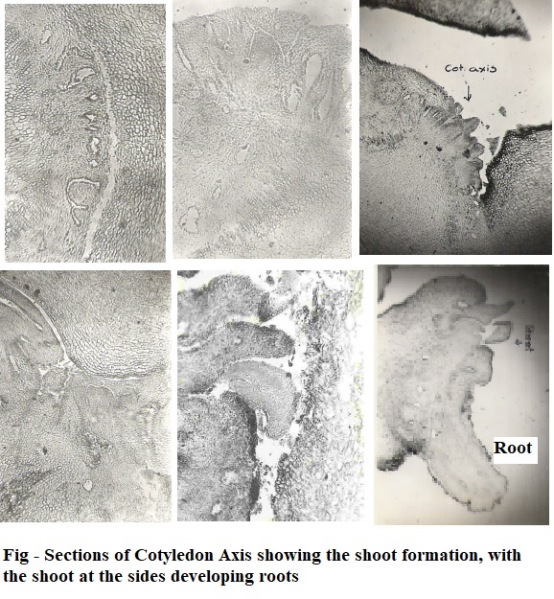
These slides showed that they possibly originated from phloem cells associated with the conducting tissues. The embryoids that formed developed a root meristem but failed to form a well-organised shoot meristem. They, in turn, tried to form conducting tissue and connect to the conducting tissue of the explant.
Following this, I tried to subculture the explants the moment a visible bulge occurred at the cut end, transferring them to a medium with different concentrations of cytokinins and a low concentration of auxin. This did not yield any results.
The idea that some species-specific hormone was lacking in the medium led me to add tender coconut water and tender coconut pieces to the media. Nothing seemed to work.
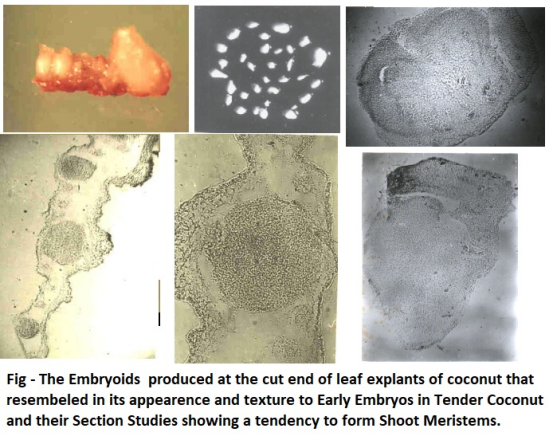
Meanwhile, I also decided to study sections of developing embryos in vivo from tender coconuts, starting from the earliest stage I could locate and handle (see Figure).


Their section studies clearly showed that a shoot meristem forms at a very early stage, and that a root meristem forms after the embryo has nearly matured. Furthermore, there is no cell differentiation to form conducting tissues until the embryo reaches a mature state (see Figure above).
The memory of the polarity that formed with the first division of a fertilised egg cell seemed to exist as one or a few cells on one side of the globular structure appeared to form into an apical meristematic cell. The cells cut off from it in a spiral manner seemed to form the primordial leaves. The apical meristem and the primordial leaves were clearly embedded within the embryo (see figure above). In a mature coconut embryo, the shoot and root axis lie horizontally to the haustorium, forming a “T” shape. The root and shoot axis are protected at the tip of the embryo (see Figure above ).
It was noted that the shoot meristem differentiates first, and the root meristem differentiates later. A shoot and root meristems only develop conducting cells in mature coconut embryos.
These observations led me to focus on tender coconut water. Tasting the water of tender coconuts at different stages showed a difference in taste. A distinctive sucrose taste only emerges in near-mature coconut water. This prompted me to search for references on the composition of tender coconut water. I couldn’t find any studies on the different stages of coconut water, but found some information on coconut milk in a book titled, “Experimental Plant Embryogenesis” by V. Raghavan, published by Academic Press. It mentioned a higher amount of potassium ions, in addition to chlorine and sodium. It also referred to the existence of organic acids and vitamins, and noted that it was a rich source of amino acids, which indicated high source of organic nitrogen.
What caught my special attention was the presence of glucose and fructose in addition to sucrose. It also mentioned the existence of a hexitol called mannitol. This led me to use coconut water and to use different types of sugar, both alone and in combination with sucrose. I also increased the nitrogen content and varied the pH of the medium. Embryos in some of these experiments showed changes. I began to see different types of embryoids forming (see figures).
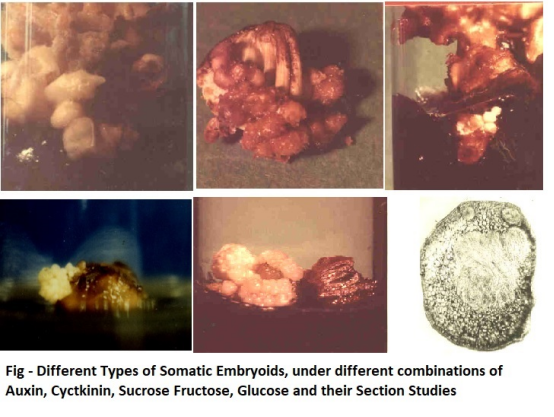
In all these cases, the NAA concentration was kept at 90 mg/litre. These results were not rampant. Sometimes, tissue appeared to die, and suddenly, many globular structures emerged from it, as if they were budding (see figure above).
Eventually, in an unexpected experiment where I used a high concentration of mannitol (about 30 to 50 grams per litre) along with 20 to 30 mg of sucrose and 90 mg/liter of NAA (auxin), I began to see highly encouraging results. Embryoids that would detach and fall into the medium, or could be easily squeezed from the explant, began to form. They resembled the early-stage embryos isolated from tender coconuts in their appearance and texture. Their section studies also showed immense promise (see Figure).
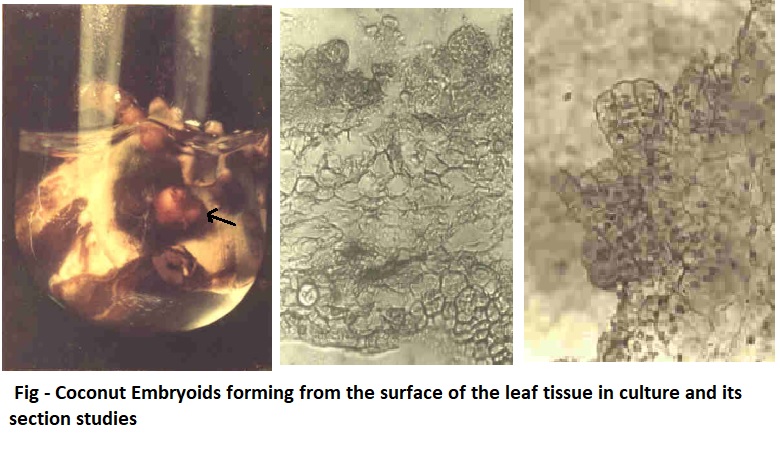
In a few experiments, we even came across embryoids forming from the surface of the leaf (see Figure).
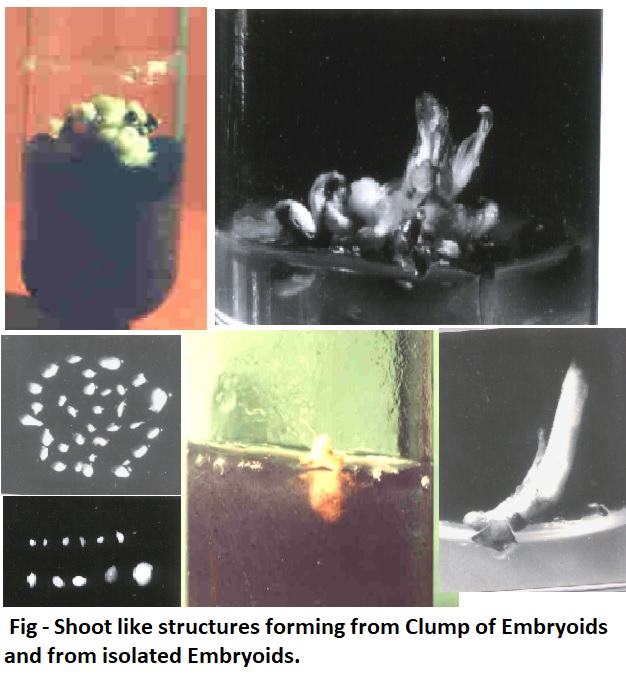
The next stage of the work involved transferring these embryoids to a medium containing cytokinins. When left without being removed from the explants, they tended to show budding and grew into lumps of greenish, globular structures, some of which later produced shoot-like formations (see figure). Even the isolated embryoids showed a tendency to form shoots (see figure). However, these were rare occurrences, pointing to the fact that there were many more hurdles to overcome before one could successfully generate plants.
At this point in my research, I was exuberant. I was confident that I would achieve the goal of clonal propagation. It was a matter of reviewing, introspecting, and fine-tuning.
Other Observations that came out of Curiosity
1] Anther Culture
Out of curiosity, I did transfer few anthers to the successful media. Out came the following results, see fig – I did not pursue it
2] Endosperm Culture
While extracting immature coconut embryos, out of curiosity, I transferred a few pieces of coconut endosperm of different stages of maturation into different media just to see how they would respond. I don’t remember the exact stage, but one set of experiments resulted in the formation of a callus. See Fig.. When this callus was subcultured into a high-sucrose medium, it produced a shiny, glossy callus. Pieces of it, when blotted and viewed under a microscope, showed the existence of oil. I had hoped to focus on this, but a certain development shattered my heart, prompting me to abandon my lab-bound research career and seek the Truth of Nature. I will write about the circumstances that led to such a drastic decision.

Unfortunately, driven by circumstances, I had to call it a day to all lab-oriented scientific careers. Sacrificing a scientist’s job at a multinational company and an offer to build and lead such a venture for a rival company, sacrificing a doctoral thesis whose synopsis was submitted, then taking up agriculture and making nature and society my lab, did hurt me financially. However, intellectually, it was very rewarding. I could find answers to the most fundamental questions of life, Nature and the Universe. They form the central point of Site – ‘The First and Second Principle and basic Design of Nature from Particulate to Cosmic level.’
The next level of thoughts and Experiments I was planning for Coconut Tissue Culture and Cloning before I revolted and left the system in Search of Truth
Sharing my work on coconuts would be incomplete unless I describe the experiments I planned to conduct before leaving lab-bound research to pursue foundational questions and the Truth of Life and Nature.
From the ‘New Centralised Experimental Enquiry Method’ (see Fig.), I began to visualise de-differentiation and differentiation as a process of winding to a critical point and unwinding from it. I visualised vegetative propagation coming into effect when the system was wound near the central zone, but did not collapse into the central zone, which I perceived as the reproductive zone.
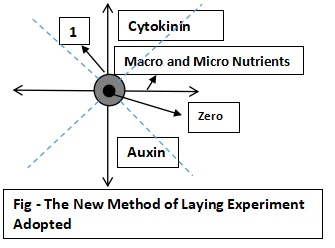
I visualised that the winding force leading to de-differentiation and differentiation is caused not only by hormones (auxin and cytokinin ratio) acting in the vertical plane [which I call the energetic plane], but also by forces acting in the horizontal nutrient plane [Physical] and environmental factors.
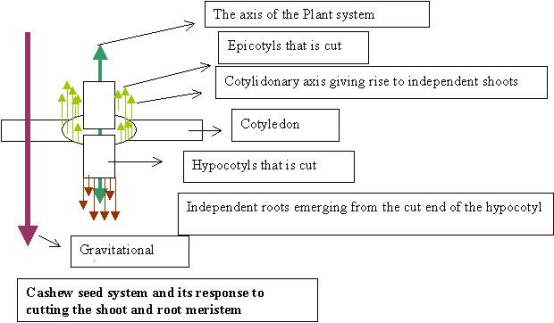
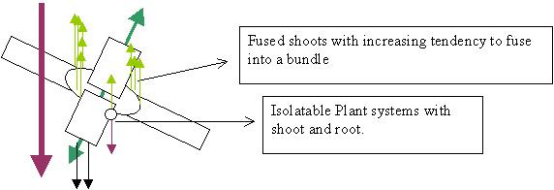
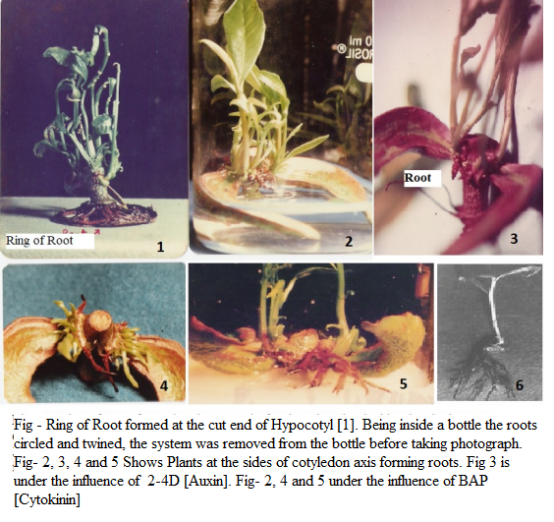
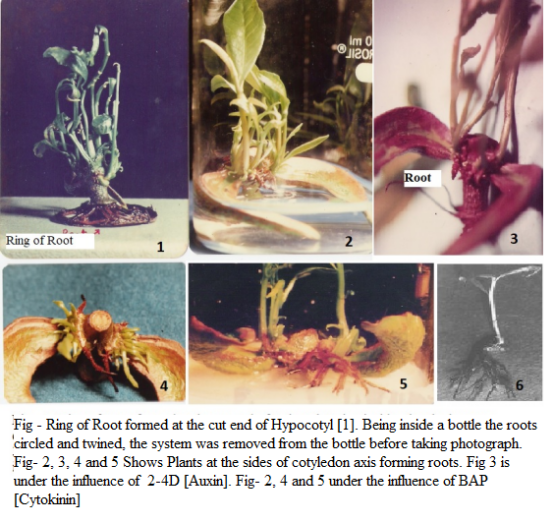
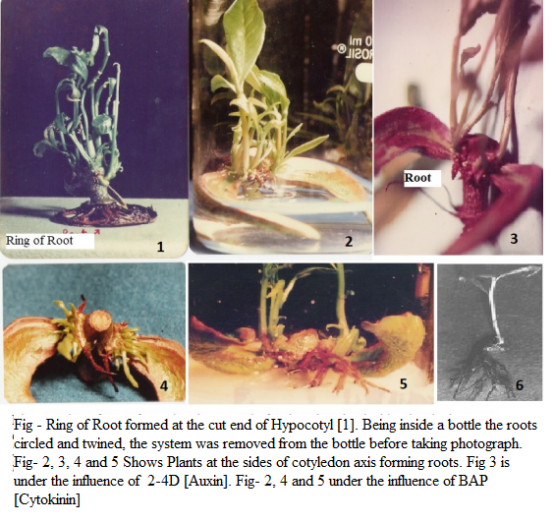
My ‘centralising method of laying experiment’ was strengthened by my curious intervention with a germinating cashew seed, where I cut the apical shoot meristem and root meristem. This act led to multiple shoots in the cotyledon axis and a ring of roots forming at the cut end of the hypocotyl (see Figure). Further experiments involving exposing the system to auxins and cytokinins and tilting the axis led me to visualise pattern changes in rooting and shooting, which made me consider some form of ‘physics of forces’ acting within it.
My cashew research exists as a chapter by itself, so let me not go into it
Since the most favourable result in coconut tissue culture came from the addition of mannitol [a hexitol], this led me to collect information about mannitol and how it influences plant cells. Not many references were available, except that mannitol is a sugar alcohol, which is 50 per cent less sweet than sucrose. Mannitol is known to cause osmotic stress by affecting osmolarity; it draws out water and can potentially alter cell volume. Not many references to its use in plant tissue culture were available in the 1980s. Today, it is known to influence metabolism, the energy state of the cell, and can have indirect effects through interactions with hormone signalling and stress response pathways.
My decision to experiment with mannitol was influenced by tasting coconut water of different maturities. The young, tender coconut seemed to taste less sugary than the mature one. Furthermore, there was a reference to the existence of a mild amount of mannitol in coconut water. [Ref – “Experimental Embryogenesis in Vascular Plants” authored by V. Raghavan. Published by Academic Press, London.]
Since section studies of immature coconut embryos isolated from tender coconut showed no tissue differentiation compared to embryoids forming in leaf tissues, it led me to search for information about factors that affect cell differentiation into conducting tissues. There were no specific references available for coconut. Scanning the available resources showed passing remarks on the possibility of sucrose, nutrition, light, temperature, water, and so on. This implied a large number of variable factors, meaning I would have to conduct many experiments.
Introspection and Re-Ordering of Observation
I began to fall back into introspection, reordering my observations and thoughts I developed observing life in Nature and test tubes. Since my parents were farming in an interior village surrounded by evergreen tropical forest after retiring from serving the nation in the defence and health sectors, I had opportunities to observe plants both in cultivation and growing in the wild forest.
Mother Nature is a huge well of firsthand knowledge, and in fact, she is the First Guide to my research. She led me to observations and deep thought, and the new technological/applied aspects. Writing about this period of my life is an unending process. Though my external self was being lured to take up these applied aspects to benefit humanity and make money, Mother Nature and my inner self were calling me to concentrate on foundational questions. Some observations picked very early from nature played an important role in formulating the thoughts for the next level of experiments.
Two elements of Nature vital to life are Water and Light/Heat. The dynamic system called Life, with all its metabolic activity—which essentially involves transformation processes—has its root in the stress it encounters with respect to these vital elements. Light is the basic energy source; beyond certain limits, it can be both creative and destructive. Water is anti to light and heat, serving as the sustaining force and the field of creation.
Walking through agricultural fields and in untouched wild forest ecosystems, I realised that the foundation of the dynamic living system is linked to the interplay of Light and Darkness and forces that increase and reduce heat. This interplay seems to be modulated by water and Earth. Here, water plays an important role. No environment can be formed without water, which means water stress is critical to life.
From the moment I began to observe life and Nature deeply, I knew that all life is conscious and aware. They evolve in response to stress. All factors essential to life have maximum, minimum, and optimum limits. They evolve to survive against two principal forces of nature: fire and water. This means that heat and water stress are evolving forces. The only animal I found that is not conscious and aware is adult humans, who live a mind-centred life, disconnected from their Consciousness and Natural intelligence, and exist as slaves to money and material aspects. Let me not delve further into this “deep thought”; it forms the central point of my search for Truth and all that I have written on my site.
The observation from nature and the information that water stress is critical, and that water plays an essential role in transformation processes occurring in metabolic processes, along with the revelation that mannitol [a hexitol] can cause water stress, was the most encouraging revelation that life was speaking to me. Thus, I developed the next level of experimental planning based on water stress and energy stress on the tissue and cell culture:
1]I planned to increase the mannitol and decrease the sucrose, keeping auxin concentration constant and slowly increasing cytokinin.
2] Keep experiments in darkness, because fertilisation, dynamic information reordering, and differentiation all happen in the darkness, yet with the warmth of the womb.
3] Increase the humidity and wet temperature, possibly using a liquid or semi-liquid medium and sealing the test tubes or bottles to allow the tissue to develop its own environment. This was also the principal thought that led to the development of cloned plants outside the laboratory in climate-controlled greenhouses.
4] Reduce sucrose; try adding fructose and glucose as energy sources.
5] Experiment with sorbitol [another hexitol].
Important Note: Forty years ago, collecting information, being in a third-world country was an arduous task, especially when not working in a university lab. Today, the living forces of Nature have brought us to a point in time where information is at our fingertips at nearly lightning speed. Today, when I pose my questions to AI—”What is the effect of mannitol on gene expression?” and “What is the role of mannitol and its role in the glucose generation pathway?”—the following responses emerged in the blink of an eye, respectively:
“The expression data in this study indicate that the presence of the M6PR transgene, and thus mannitol, appears to act as a signal, affecting genes responsive to both biotic and abiotic stresses, which in turn suggests insights into global plant defence mechanisms. Furthermore, references exist for some role of mannitol in plant energy generation.”
“Mannitol can be converted into fructose, which can then enter the glycolytic pathway, eventually leading to the generation of energy (ATP). In the liver, mannitol dehydrogenase converts mannitol to fructose. Fructose then gets phosphorylated by fructokinase, producing fructose-1-phosphate, which is cleaved into DHAP and glyceraldehyde, both of which are glycolytic intermediates.”
Why I left a Lucrative Job to go in search of Truth
One might ask why I left a lucrative job in a multinational company and decided to sacrifice my doctoral thesis on the eve of its submission. The simple answer is an inner call whose true nature was only revealed much later. ‘The First Principle, Second Principle, and Design of the Foundational Particle and the Cosmos’—the simple answers to complex questions that physicists, biologists, and spiritualists ponder.
Furthermore, every species I am trying to clone was telling me that I am working against the species and its inherent design to survive and evolve in Nature. I found them more conscious and intelligent than humans.
We are in an exciting time, where the young generation of scientists can ask and gain information in seconds. The most important point is the question one raises and the intent with which it is raised. Humanity, highly empowered today, also exists immensely endangered by increasing climate catastrophes, growing religious friction, and wars. For little land and wealth, and in an attempt to hold onto power, we seem to sacrifice life and endanger Earth. The leaders and intellectuals ruling us from various realms are endangering the lives of their own children. It is becoming critical that we know the ‘Truth of Life, Nature, and God’ beyond religion. We need to break free from the narratives in which the intellectuals governing us have bound us, such that we do not see Light and Truth.
Chapter – 3
My Work on Cashew Tissue Culture and Clonal Propagation
Preface – Cashew propagation was not my primary work. Cashew has many successful vegetative propagation methods. I got interested in cashews accidentally, but it played an important role in my research life. I am sharing my experience from memory, The Curiosity that led me to handling Cashew.
The Curiosity that led me to handling Cashew
Once, back home, walking in the field, I saw a cashew seed striving to sprout. The next day, I was surprised to see how much it had grown. Food and hormones for growth are plentiful and readily available for this to happen. Below is a picture and description of a germinating cashew. Cotyledon is where the food and hormones necessary for growth is stored. It is assumed as the modified first leaf. However, the cotyledonary axis does not carry an axillary bud.
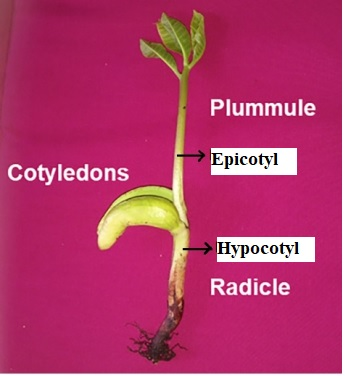
Out of curiosity, I wondered what would happen if I cut the apical meristem from the system. I gathered some cashew seeds and returned to the lab. Back in the lab, I germinated them in trays containing sand in an open, shady environment and then clipped the Epicotyl, thereby removing the seed’s only apical meristem. To my surprise, the axis of the cotyledon formed many axillary meristems within days, which quickly produced a large number of shoots.
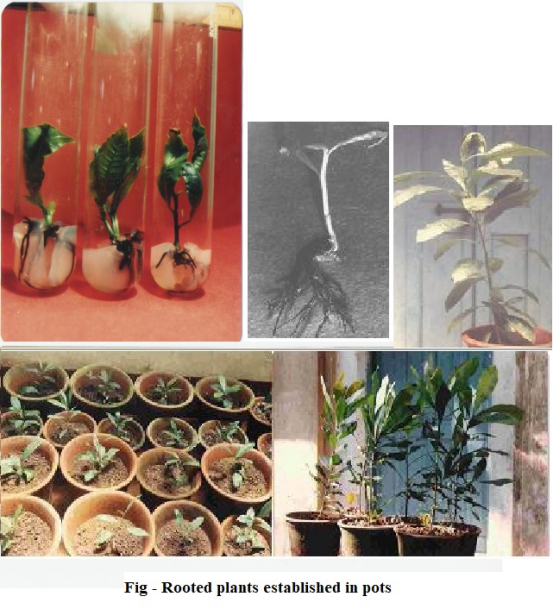
Fascinated by this response, I took a second step of curious intervention. I cut both the epicotyl and hypocotyl (both shoot and root meristems) and placed them in a wide-mouthed transparent bottle. I made sure they stood upright with their axis at a 90-degree angle by using blotting paper and adding a little water to the bottle to increase the moisture. To my surprise, this system also produced a ring of roots at the cut end of the Hypocotyl (see figure below).
When the system was slightly tilted (less than 45 degrees), plants on the edge of the axis produced roots (see figure). The plants forming on the cotyledon axis seemed to fuse when tilted, and the ring of root formation at the cut end of Hypocotyl was also disturbed. Root formation at the cut end of the epicotyl was largely reduced with BAP (cytokinin) and 2-4D and NAA (auxin). This was accompanied by increased roots at the base of the shoots forming in the cotyledon axis (see figure).
Later Experiments and Observations
Later, the system was transferred to an Agar gel medium, both with and without low doses of auxin and cytokinin. Two sets of experiments were conducted: one with the auxin content kept at 0.25 to 0.5 mg/liter while the cytokinin was raised to 5 to 10 mg/liter, and the other with the concentrations reversed.
Note: The auxins used were NAA (Naphthalene Acetic Acid) and 2-4D (2,4-Dichlorophenoxyacetic acid). The cytokinin used was BAP (6-Benzylaminopurine).
The observations I am sharing reflect a general tendency. Since the seeds were obtained from a lot containing seeds from different trees, some variation may have occurred.
1] The use of hormones disturbed the shooting and rooting processes. At very low concentrations, the effect was minimal, but as the concentration increased, the effect became more prominent.
2] Hormone use significantly affected rooting at the cut end of the epicotyl but seemed to favor rooting at the base of the axillary shoots on the cotyledon axis (see Figure above 2, 3, 4, and 5).
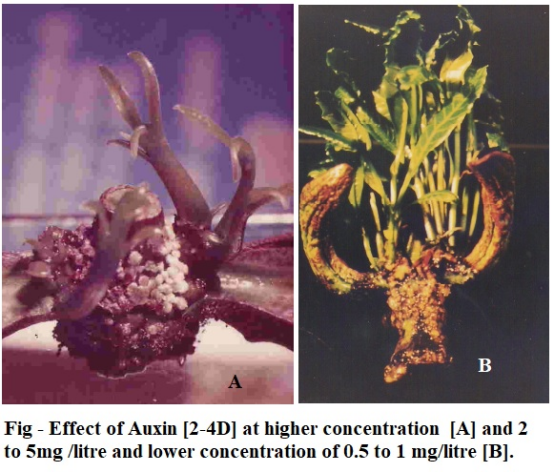
3] Auxin 2-4D was very effective at very low doses compared to NAA. At a higher concentration of 1 to 2 mg/liter, 2-4D seemed to cause browning of the cotyledon, indicating toxicity.
4] Above 2 mg/liter, 2-4D (auxin) suppressed root and shoot formation and showed a tendency for globular structures to grow at the juncture between the hypocotyl and epicotyl (see Figure below).
5] Cytokinin (BAP) at low concentrations improved shoot formation on the cotyledon axis. At slightly higher doses, it promoted rooting at the base of these shoots, while suppressing root formation at the cut end of the hypocotyl.
7] The formation of shoots diminished as the cotyledon began to shrink.
8] The system was also grown in half and full-strength MS Media with sugar, macro- and micro-elements, and without hormones. This extended the life of the cotyledon.
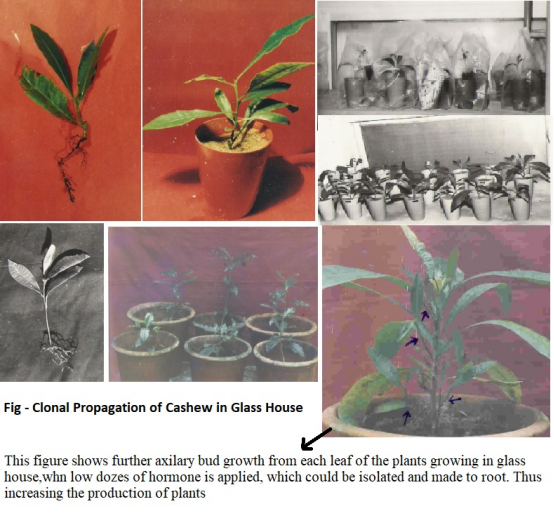
Several plants were isolated and grown in test tubes in a half-strength MS medium (Murashige and Skoog Medium) with very low doses of auxin and cytokinin. Even cut shoots without roots also produced roots with a low to moderately high [1.5mg/litre] concentration of auxin. They were later transferred to soil (see Figure), first to small cups containing a mixture of sterilized sand, soil, and coconut peat. Then to the big pots.
A Point to Note
However, I could not use the cotyledon axis as a continuous source of shoot production. This clearly suggests that some chemical or factors unique to the system are involved in the process of shoot and root growth.
Histological Studies of the Cotyledon Axis
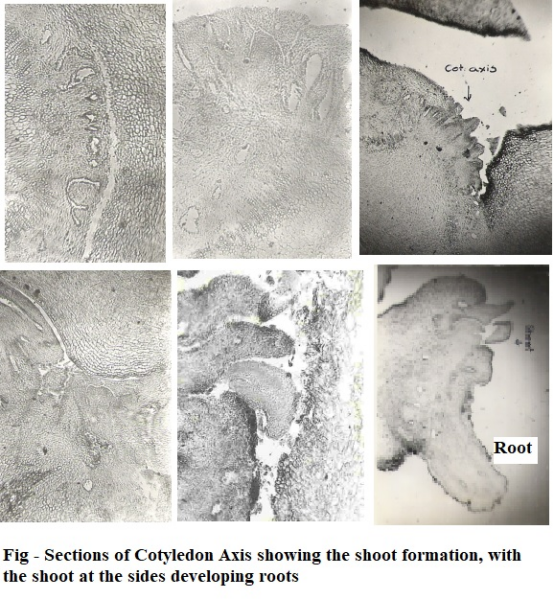
Section studies showed that the origin of the shoots was in the conducting tissues, which were pushed to the cotyledon axis, eventually giving rise to the shoots (see Figure).
Axillary Bud Culture of Cashew
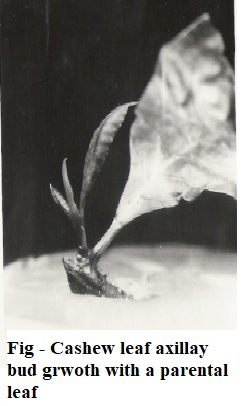
As a curiosity, driven by success in gaining axillary bud multiplication of explants from mature trees of ‘Lagerstroemia Indica’ [woody tree], I tested a few leaf axis buds of plants growing in the greenhouse. They were transferred to MS media containing Cytokinin [BAP] in the range of 1 to 5 mg/litre with or without low doses [0.01 to 0.02 mg] of Auxin. The leaf axil buds grew into shoots at a lower concentration and into a multiple buds in a higher concentration of BAP. However, they failed to grow beyond a point. See Fig
Cashew Callus Induction from Leaf
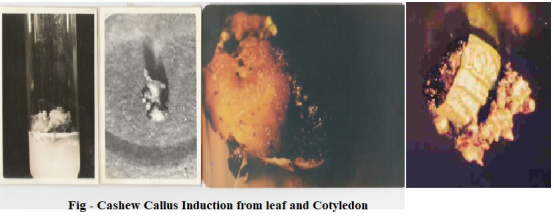
Callus was induced in leaf and cotyledon pieces on MS Medium with Auxin 2-4D in the range 2.5 mg/litre to 5 mg /litre See figures. These work were not continued.
Axillary Bud Culture Including the Leaf in the Axil
Observations showed that for some reason, the shoots formed in the axillary bud did not grow beyond a certain point. This indicated that some species-specific requirement was becoming limited. Since a plant system produces its own food and hormones, as a wild guess, I chose to include a leaf with the explant, placing it in the bottle so it could produce food. This produced a positive indication, showing axillary shoot growth even in the control group. However, that too failed to grow beyond a certain point.
A little introspection led me to realise that cashew is a heat and light-loving plant that grows in temperate regions. The air-conditioned culture room appeared to be limiting its growth. This thought eventually led to my development of “An Innovative Approach to Clonal Propagation of Cashew, Coffee, by Environmental Manipulation in a Glasshouse.”
Note – The Plants produced and transferred are not truly tissue-cultured ones, but it presented a promising step towards it. A project was submitted by the lab authorities to the Department of Science and Technology of India, which was eventually sanctioned.
Chapter -4
The Visions I Gained from Cashew Seed Germination and Its Reaction to My Curiosity – Its Possible Use in Developing Naturally Genetically Engineered Plants
My Foundational Thoughts
Curiosity, observation, questioning, introspection, and meditation—leading to new visions and thoughtful inquiry beyond the boundaries of what is taught—are the foundation of science and the evolution leading to knowledge and understanding. This evolution also leads to practical applications.
In short, new discoveries occur when you move beyond traditional thinking and view your subject of inquiry from different angles. This is what I learned as I matured into a scientist, working with coconut tissues in test tubes in an attempt to clone them.
The vital vision that emerged was that a seed is a “wound”—a representation, in time, of an entire species—where two parallel genetic worlds of the same species come together, struggling to survive and adapt to a changing world. They reduce their genetic information and then merge to develop a new set of instructions for survival in the darkness of the womb. Here, they unfold into a new system to begin a new cycle of life. In short, the seed is an evolutionary product, upgrading its information. The process is linked to environmental cycles.
The whole tree is the “unwound” state of the seed in time. If you go deeper, a tree is the expression of a single fertilised egg cell. Going deeper still, it is the expression of the information contained in the nucleus of that fertilised egg cell. Further back, we can visualise it as a small perturbation at one point in a DNA strand, which echoes throughout the entire information system. (I will not go into this further here, as it is detailed on my site.)
My Curious Intervention
When I cut the epicotyl and hypocotyl of a germinating cashew seed, its reaction was surprising See Fig. It produced multiple shoots at the cotyledon axis and a ring of roots at the cut end of the hypocotyl, all while kept in a moist environment. What occurred to me was not the clonal propagation of cashew, but rather a model through which I could interact with and feel plant life.
Experiencing and feeling are the foundations of spirituality. I was applying a spiritual approach to my work—seeking a foundational model to understand life and its responses, to acquire knowledge that could then be applied to the study of all plant life.
I visualised the seed’s response to my intervention as the system’s survival reaction (See Fig.). It showed resilience and a survival instinct.
This type of resilience is vividly expressed in tropical forests. My home is in a remote village surrounded by thick forest. My parents—both government employees who had served in the defence and health departments—chose to live here after retirement. Having developed a deep rapport with nature, I observed how seeds of large trees, after germinating but later being shaded by smaller plants and bushes, could survive for years in a dormant or slow-growth state, only to suddenly burst into vigorous growth when conditions favoured them.
My work with cashew began accidentally, driven purely by curiosity. It was not aimed at clonal propagation, as an established and successful method already existed for cashew. Instead, my mind was focused on using the model to inquire into the nature of life itself.
Observations and Visualisation
Observing the cashew seed producing many shoots from the cotyledon axil and a ring of roots at the cut hypocotyl—along with changes in root and shoot production when the axis was tilted or exposed to hormones (See Fig above)—led me to visualise an intrinsic, immense force of life hidden in the seed axis. This force seemed to centralise at the centre of the seed between the cotyledons, then direct the food and hormones toward the cotyledonary axis, resulting in shoot formation.
These shoots appeared to originate from phloem cells of the conducting tissues (See Fig.). I am not certain whether the phloem cells themselves initiated the shoot formation, or whether they direct hormones and nutrients to the periphery, triggering epidermal and subepidermal cells in the cotyledonary axis to form shoot meristems. Histology suggests a central field or force carrying information [Hormone and stored Nutrients] to trigger the epidermal cells—perhaps both processes occur—enabling the system to survive.
Discoveries from the Model
From observing the seed model, I found a way to “query” life itself.
1] Science does not accept feelings. Yet, observing the seed, I felt a kind of field or force—a play of physics—within the model. This feeling persisted and later grew into my visualisation of the “First and Second Principles of Nature and the Foundational Design of Particle it dance and the Whole Cosmos ” (These are detailed on my site.)
2] I saw the potential to scan and study the maximum, minimum, and optimal limits of major and minor nutrients influencing shoot and root initiation.
3] I saw the possibility of searching for new chemicals that could act as hormones.
4] Most importantly, I envisioned using this model as a gene-delivery system to obtain genetically modified plants.
Even forty years ago, when this work was conducted, scientists could already isolate and multiply genes responsible for certain traits, enzymes, and proteins, then introduce them into cells in culture—often using viruses as vectors. These cells could then be used to produce whole organisms. While cell and tissue cultures were already used to obtain enzymes and valuable proteins, creating an entire organism remained challenging.
The acceptance of inoculated genes through a vector depends on the cell—ultimately, Life chooses. Many uncertainties surround this process. Observing the cashew seed’s ability to generate multiple shoots and roots—and even complete plantlets at the cotyledonary axis—gave me the vision of engineering a species by directly inoculating a gene or vector into the conducting tissue of the seed after removing the apical meristem.
If the introduced information is necessary and suitable, I believe the system will readily incorporate it. Additional stress can be applied—such as infecting the seed with disease-causing organisms before introducing the gene—to encourage acceptance. Since the system is already struggling to develop information to counter stress, it may accept the new genetic information more readily.
I shared this concept with the U.S. National Science Foundation and was directed to a university lab pursuing a similar approach. By then, however, I had left my lab-based research career to adopt Nature herself as my laboratory.
A Different Path
Although the monetary lure of going to the U.S.—the hub of great scientific progress—was strong, deep within I felt it was not my path. Mother Nature seemed to be calling me to focus on foundational questions rather than being drawn toward applied aspects for the sake of money or comfort. I chose instead to concentrate on discovering the “Foundational Principle and Design” upon which Nature is organised, functions, and exists eternally.
Everything I write comes from this root thinking and the visions I have developed. This journey helped me trace what I call the “Root of Corruption” and the “Seat of the Evil, Hypocritical Mind Ruling the World.” It has led me to advocate a shift from a material focus to a life-centred focus, and to move beyond religion to know the truth—that the God we seek exists within all of us, not in temples, churches, or mosques. It has led to discovering the atomic root of life, the conscious and intelligent field that supports Life and the Universe. It has led me to visualise a “Living Universe Theory” that includes all conceptual developments in physics and the substance of Spiritual Scriptures
I believe the world can only survive and enter the Golden Age of a New Cycle if humanity breaks free from the bondage of organised religions and realises the spiritual truth of our oneness, and understands Nature’s way of sustaining herself and all life in her embrace.
Chapter -5
An Innovative Approach to Clonal Propagation of Cashew, Coffee, and Possibly Most Dicots through Environmental Manipulation in a Glasshouse
Note: This work was conducted nearly forty years ago, from 1986–87. Since then, I have diverged from biotechnology, embarking on a quest for deeper truths regarding life, nature, and the foundational forces that underpin the natural world and the cosmos. Much has developed in glasshouse techniques and cultivation since that time, but I am sharing my original experience.
Introduction
After four to five years of manipulating plants in test tubes and attempting to acclimatise them to glasshouses with controlled environmental conditions, my agricultural heritage and key observations in nature inspired me to explore novel methodologies. These new approaches were designed to bypass expensive tissue culture techniques for clonal propagation wherever possible.
A Pivotal Observation Leading to New Perspectives
Plants exhibit totipotency, retaining the inherent capacity for regeneration. In nature, it has been observed that during the rainy season, a hot and humid climate is created, which is characterised by persistent moisture—often in the form of drizzle—and intermittent sunlight. Under these conditions, freshly fallen plant branches can produce new shoots and develop roots, thus ensuring their survival.
Hormones, specifically auxins and cytokinins and their ratio, play a crucial role in this shooting and rooting process. They are synthesised in various plant parts and transported accordingly. Auxins are predominantly produced in the shoot tips and young leaves, while cytokinins are synthesised in root tips and stems. The fallen branches still contain these hormones, and the leaves, which remain active and capable of photosynthesis, help them regenerate under favourable conditions. This is an observation accessible to any astute observer in the field.
Hormone production is profoundly influenced by climatic factors such as temperature, humidity, photoperiodicity, and nutritional elements.
These insights and observations prompted me to use the glasshouse as a laboratory for fostering axillary bud growth and rooting directly in soil. The ultimate goal was to produce new plants while circumventing costly and sensitive tissue culture methodologies. These experiments were successfully conducted with cashew and coffee plants, with initial results suggesting that this approach could ultimately be applied to all dicotyledonous plantation crops.
Clonal Propagation of Cashew Plants in a Glasshouse
Small stem parts, each with one axillary bud and one leaf, were taken from plants being grown in the lab for tissue culture work. They were placed in plastic cups filled with sand or a soil/sand mixture, watered, and then covered with plastic bags for two weeks to retain additional moisture. The cut stem parts in the sand or soil developed roots and were able to grow into complete plants.
As an extension of this idea, plants growing in pots were sprayed with low doses of hormones. This caused the axillary bud in each of the leaves to grow into shoots. They were then cut and rooted successfully, thus increasing the number of clones produced.
Clonal Propagation of Coffee Plants in a Glasshouse
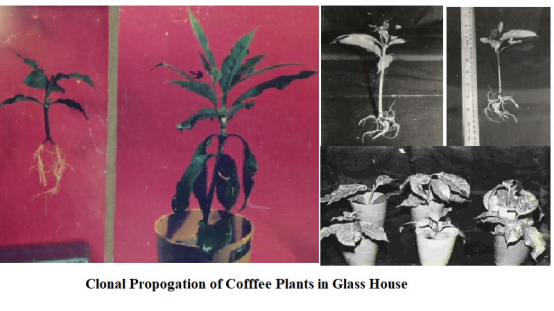
The procedure is the same as with cashew, except the explants were taken from mature coffee plants. Shoots growing from the stem or cut ends of the plants were used. They were placed in cups filled with sand or a sand and soil mixture and covered with plastic bags, much like the cashew, to increase humidity. The explants rooted in two to three weeks and were then transferred to pots.
These works were done at the end of my time in the lab. I was extremely confident that I could fine-tune them and develop a feasible technology for the clonal propagation of not only these commercial crops, but also all dicot plants. However, my consciousness was calling me to explore the fundamentals of life, and so I had to change my path.
It would be my pleasure to share my knowledge and advise any institutions, organisations, or individuals entering this field.
These observations and work were commercializable. However, every species I was handling was speaking to me that by doing clonal propagation, I am hindering the species’ First Choice to mix information and evolve information to survive in Nature. Further, Life and Nature were calling to concentrate on fundamental questions. Thus, I stopped all adventures into cloning.
The Knowledge of Life, Nature, and Cosmos to which my Biotechnological Work Directed Me
We are part of a society where our minds are conditioned. First, by religious leaders who have conditioned the minds of our parents and ancestors for thousands of years. These religious leaders and parents together condition our minds and hold us as slaves.
Then come the educational institutions, controlled by political institutions and governments. We think political and governing chairs are the most powerful. However, in deep thought, we see religious institutions controlling the political institutions from behind the scenes. The fights between these religious institutions are often reflected in society, manifesting as religious friction, and are the root of all great wars and destruction. Those who are blindly attached to religion would not agree to this statement.
Today, we are in a Scientific Era that has advanced into an Information and AI Era. Science is beyond religion. The science that once set aside Life, Mind, and God is now seeking the ‘God Mind.’ It has evolved from simplicity to complexity and yet is directed toward Truth and God beyond religions. It has evolved, and it is now a matter of time before we comprehend the simplicity behind the complexity by revealing the ‘Central Principle and Design‘ on which it is working. The minds in the cloud would do this.
Just as in religions where the old mind rules, in science, too, the old mind still rules. The old minds of religion and science stand as a barrier to comprehending the emerging reality. In both, there is a small number of souls who truly seek to know Truth or God for the greater good of humanity. This is reflected in the words of Max Planck: ‘Science cannot solve the ultimate mystery of nature. And that is because, in the last analysis, we ourselves are a part of the mystery that we are trying to solve.’ He also said, ‘A new scientific truth does not triumph by convincing its opponents and making them see the light, but rather because its opponents eventually die.’ This is applicable to religion and spirituality.
A Backdrop to Me: A Sinner Reborn
My biological father and mother were serving the government in the defence and health sectors. Their jobs meant frequent transfers. Since my father was largely serving on the northern border of India and my mother’s job was in the south, we three children grew up with our mother. The nature of her job meant we were not exposed to Sunday schooling and conditioning into one of the many sects of the religion called Christianity. My mother, who had accepted the Pentecostal movement before her marriage, was a strong believer in Jesus. Since the religious tag is government-approved and socially imposed, she came to accept my father’s denomination, Jacobite Syrian Christian.
Once as a child, I saw bloodshed in the name of religion. This, along with many other experiences, led me to grow up visualising ‘God as an invention of the intelligent to rule the ignorant.’ Eventually, it led me to a research career. It was a conscious decision to contribute something to humanity in the process of living my life.
But as I began my research work with heart, putting all my energy into it and thinking deeply, I began to feel that there was something fundamentally wrong with the education I had received. At the peak of my research career, when, through hard work and introspection, I achieved promising results, I was exposed to the fallacies of my religious leaders. If I were to write down all the thoughts and thinking I went through, it would run into hundreds of pages. Let me summarise.
Let me sketch the major points of the scientific path that eventually led me to spirituality and to know Truth by Grace in simplicity:
1] All species have male and female. The first choice of all living systems is to mix information from a parallel world. The living plant system has male and female elements within a single system. They are quantum entangled and work as one. However, they do not breed within. They prefer to breed with other plants of the same species. The pollen of the plant emerges first, is disseminated the pollen, and then the egg matures and opens to ensure cross-fertilisation. In the absence of cross-fertilising agents and the unavailability of pollen from other plants of the same species, the plant resorts to a second option of breeding, which involves adjusting the time of flowering and opening up the female flower and exposing the egg simultaneously with the male flowers. The third option is vegetative propagation.
2] Plants are intimately related to Nature and its cyclic changes of energy and the availability of matter to construct physical reality. These two aspects mean that plants are conscious, intelligent, and aware of time and its changes.
My attempt to clone and engineer plants seemed to be against Life and Nature. By adopting vegetative propagation and bio-engineering, I felt I was choosing the least favoured option by the species. I felt that by tampering with the information of Life, I was actually intervening in the species’ natural evolutionary process. Since everything is interrelated, I felt I was interfering with the fine-tuned ecology in which we are surviving. This was the first reason I gave up my lab-bound research to walk into freedom, staying with my consciousness and adopting Nature and society as the field of my research. I made Mother Nature my First Real Guide. She led me to Christ; Christ then revealed to me God, His Father. Recall Einstein’s call when he failed to comprehend the origin from the black hole singularity: ‘Look deep into nature, and then you will understand everything better.’
In deep thought, I began to feel that there was something critically wrong in our understanding of Life as taught to us by the West. My striving to know the root of our present understanding of life led me to physics and its development. I could quickly visualise that over time, the thinking in physics had changed from a Mechanistic World View to a Relativistic World View to a Chaotic and Order World View.
When I developed a new way of laying experiments, I adopted a Chaotic World View, which still holds a centralising picture. Without my knowledge, a force was leading me to explore the Black Hole and the Singularity Point. Though Non-Linear Science and the Chaotic World View present chaotic visions, they speak of a ‘Great Attractor State’—a great axis forming within the old, with everything spontaneously falling into a New Order around it.
In my quest for Truth by Grace, I, an atheist, happened to visit a ‘Retreat Centre’ known for miracle cures. I went there as an observer but ended up truly participating when I recollected a statement from philosophy: that an observer is inferior to one who experiences and then observes. With this realisation emerging, I fully participated and surrendered to the ‘UNSEEN CREATOR FORCE’ with folded hands. At the peak of the retreat, I could only ask to know Him. Then I heard a voice: ‘Seek me through the Mind of the Heart.’ Following this, I became centralized in Christ. After great introspection, I gave up the tag of the religion called Christianity and have accepted Humanity. However, I still keep centralising into Christ, doing my conscious call in Christ—which is to evolve science such that the whole world sees Christ beyond religion and becomes aligned with consciousness and intelligence, sees Light and Truth, and awakens to save Earth and its creations.
All souls and minds will bow to Christ, and the Kingdom of God and peace will manifest on Earth when we know Jesus Christ beyond religion as the Science and Centre Point of Transmutation, Transformation, and the Great Bounce that conquers Time and death to the Universe and initialises the system into a New Time Cycle. All the preaching of Jesus is a call to connect to one’s Consciousness and Intelligence and to explore God Consciousness and Intelligence, such that darkness gives way to Light, death to Life, ignorance to Knowledge, and great disorder to Order. The importance of Jesus, His manifestation, and His sacrifice emerges when we see it through the lens of the concepts of Time and Memory Loss in humans created in God’s image.
The Principal Failure of Science: The Seed Revelation I Gained to Evolve Science and Unify It with the Substance of Scriptures
The principal failure of science exists in keeping life, mind, and God-Mind out of science. Today, physicists are seeking to know the characteristics of the God Particle. They seek a Force and Field that oppose and transcend gravity and its centralising field, and thus not only support the system from collapsing but also lead us out from darkness to LIGHT, from death to LIFE, from ignorance to KNOWLEDGE, and from great disorder to GREAT ORDER.
The first thing that Nature revealed to me as I left the lab is that life and Earth are somehow central to the universe. Life ‘BOUNCES GRAVITY FORCE.’ It transforms gravity into an anti-gravity force in its ‘INNER SPACE.’ A blade of grass growing, a seed sprouting, and so on, speak this loudly, yet physicists and science in general fail to look deep into nature and life. Max Planck, one of the great intellectuals of the 20th century, said, ‘A conscious and intelligent mind is the matrix of matter.’ He indirectly called us to observe our minds and our thoughts. Einstein went one step further to choose and fix a God or Absolute Mind and evaluate one’s mind and its thoughts in relation to the God Mind. The greatest discovery of mine is knowing Jesus Christ as God—the rest is details.
Jesus’s principal call is to take ‘NEW LIFE’ in Him and, by growing in Him, to acquire Knowledge and Wisdom. He is called the King of Peace. The fact that we have over two billion Christians in organised Christianity and another huge number in non-organised, independent churches, and yet we have no peace in the world, very clearly speaks of the Old and Evil mind operating from the religious realm that is controlling us. Jesus referred to him as the ‘RULER OF THIS WORLD.’ His rule ended at Calvary. Jesus alone defeated Him. But this victory has not yet been birthed into the physical world. World peace exists in the birthing of this Truth. The world is undergoing the ‘Birth Pangs of Truth’—all this is elaborated on the site.
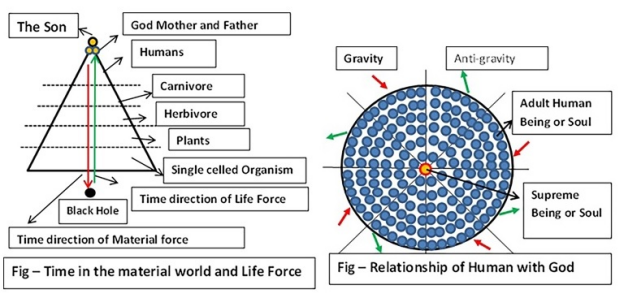
Our survival on Earth is closely linked to knowing Christ beyond religion as the Great Shift Point or Transforming Point. He is the Singularity point. Everything is dissolved in Christ Consciousness. It is bound to split and initialise. The following figure speaks the truth